
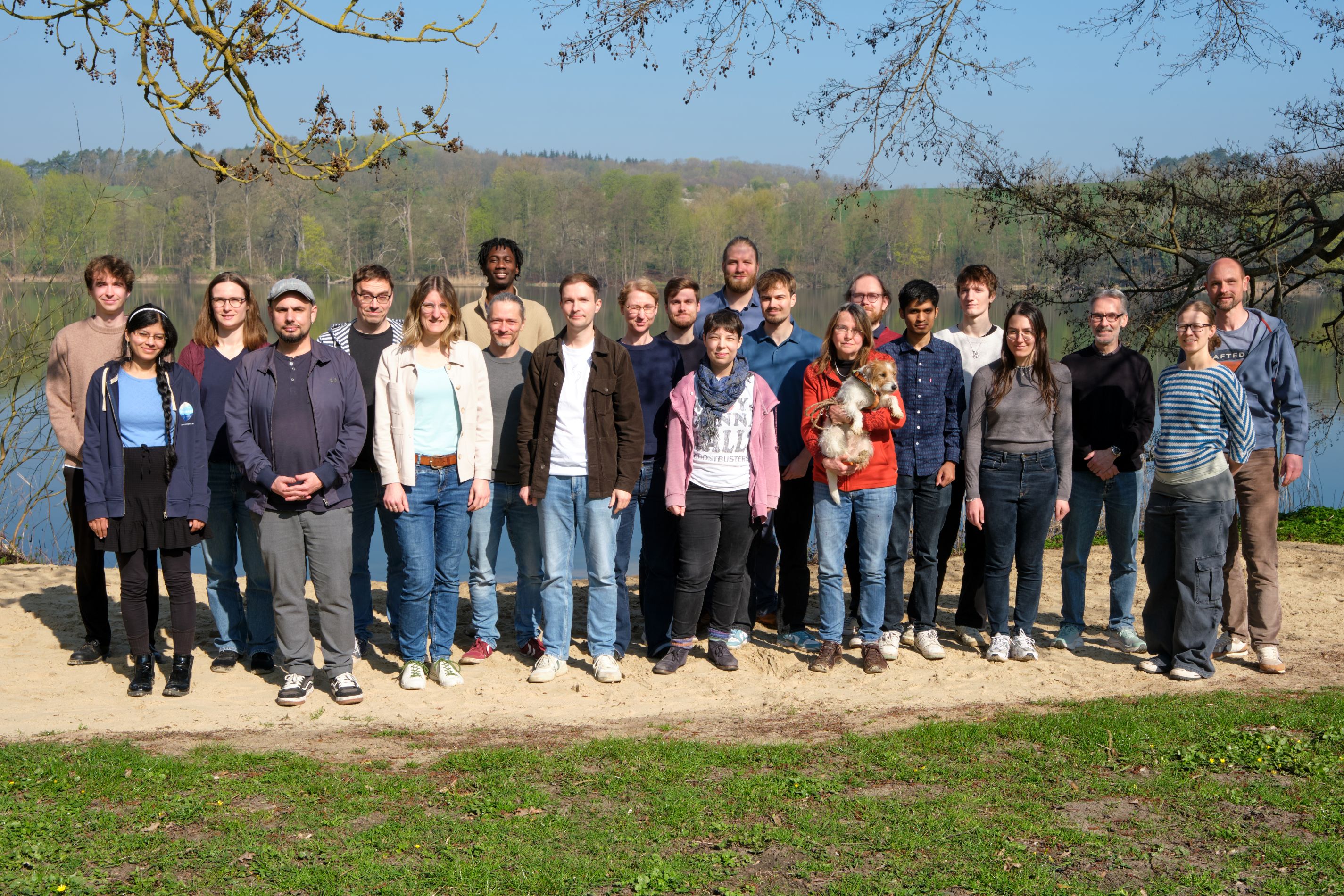
On 16 November 2026, the German Research Foundation (DFG) announced funding for MODIUS Model Diversity for Predicting and Understanding Complex Dynamic Systems, a new Research Training Group at the University of Rostock. The group was initiated by the Institute for Visual and Analytic Computing (VAC) and brings together researchers from VAC and the Institute of Computer Science (IFI). It is expected to start in April 2027. Prof. Adelinde M. Uhrmacher will serve as spokesperson, with Prof. Stefan Bruckner and Jun.-Prof. Stefan Lüdtke as deputy spokespersons.
At the heart of MODIUS is model diversity. Simulation models represent how systems evolve, AI models learn patterns from data, and conceptual models make explicit which relationships researchers consider important and which assumptions guide their work. Doctoral researchers will develop methods to connect and analyse these and other types of models. They will use interactive visual tools to explore, for example, how different modelling assumptions affect predictions.
MODIUS brings together modelling and simulation, machine learning, sof tware engineering, and visual analytics. Its main application area is Baltic Sea ecosystem dynamics, which the group will study in collaboration with the Leibniz Institute for Baltic Sea Research Warnemünde and the Thünen Institute of Baltic Sea Fisheries. Other application areas include rewetted fens and epidemiological modelling.
DFG press release (German)